Design competitions give creators a deadline, a clear brief and an audience. They can launch careers, build portfolios and push you to try ideas you would never attempt on a routine project. Winning is never guaranteed, but good preparation raises your chances a lot. This guide covers the steps that matter most.
Read the brief like a client would
Every competition starts with a brief, and many entries fail because they miss it. Read it three times. Underline the goal, the audience, the limits on format and size, and the date and time of the deadline.
Look for the hidden question as well. A brief that asks for a poster for a music festival is really asking how to make a specific audience curious and willing to act. Write one sentence that sums up the problem you are solving.
The strongest entries answer the brief first and show off style second.
Research the field and the judges
Study previous winners. Notice what they have in common, such as bold ideas, tidy layouts or clever use of limits. Do not copy them, but learn which qualities jurors reward.
If the judges are named, look at their own work. Their taste influences decisions, and understanding it helps you aim your concept. The Wikipedia overview of graphic design is a handy reminder of the principles that jurors often discuss, such as hierarchy, contrast and balance.
Check the rules about originality and rights. Using unlicensed fonts or images can disqualify an entry and harm your reputation.
Sketch many ideas before choosing one
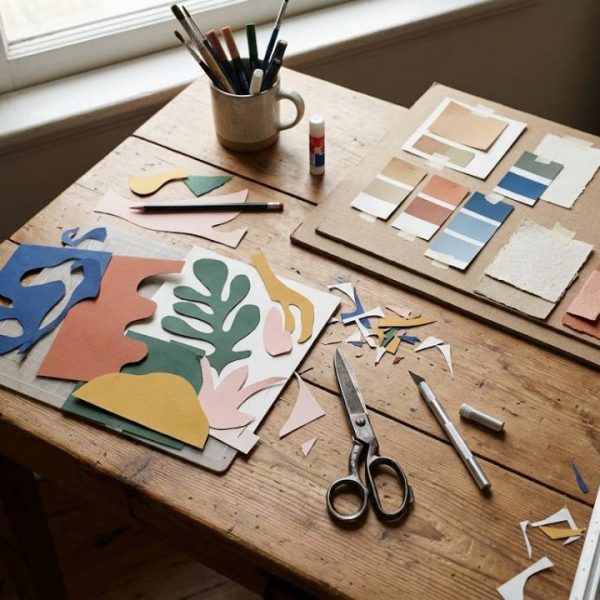
Start on paper. Quick sketches let you test dozens of directions in an hour, and the best idea is rarely the first. Set a timer, draw without judging and pick the three strongest options.
Build small tests of those three. Show them to a friend and ask what they notice first and what they think the design is about. If their answer does not match your intention, refine the concept.
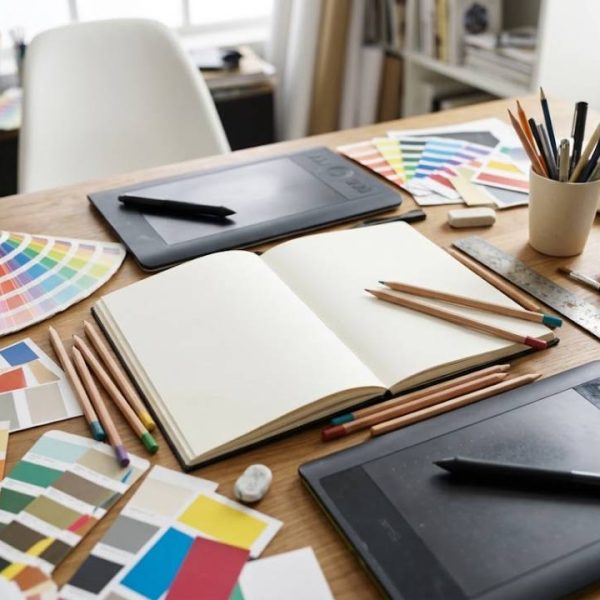
Limit your palette and type choices. A strong idea with two colours and one typeface often beats a busy piece with many effects.
Work with a clear schedule
Plan backwards from the deadline. Allow time for research, sketching, production, feedback and final checks, and add a buffer day for technical surprises such as slow uploads.
Set mini deadlines for yourself. Finishing a rough version early lets you step away, then return with fresh eyes to spot weaknesses.
Back up your files in two places, and export a final version in the required format well before the closing time.
Think about global audiences and language
Many competitions are international, and juries may read entries in a second language. Keep any text short, clear and free of idioms. If your concept includes slogans or captions, have them reviewed by a native speaker, since a pun that works in one language can fail in another.
When your work involves material written in Polish, such as a poster for a festival in Warsaw, a skilled Polish translator makes sure the wording is accurate and the tone fits the audience.
Brands that cross borders face the same risk, as this overview of brand translation mistakes in advertising demonstrates with well known examples.
Present your entry professionally
Presentation is part of the design. Use a clean mockup that shows your work in context, such as a poster on a wall or a package on a shelf. Keep the background simple so the idea stands out.
Write a short statement that explains the concept in plain words. Two or three sentences are enough, and they should describe the problem, the idea and the result you hope for.
Name your files clearly and follow the submission rules exactly. A missing field or wrong file size is an avoidable reason to lose points.
Handle feedback and results gracefully
Ask for feedback from peers before you submit, and accept it without defence. Fresh eyes notice spelling errors, uneven spacing and unclear messages that you stopped seeing long ago.
After the results, study the winners again. If you did not place, write down what you would change. Each competition becomes practice for the next.
Share your entry in your portfolio even if you did not win. A well explained project shows process and judgement, which clients value as much as trophies.
Stay creative between competitions
Keep a notebook of ideas, colours and layouts that catch your eye. Small daily sketches or photo walks keep your creative muscles active.
Join a community of designers where members trade feedback and challenge each other with weekly prompts. Regular practice makes the pressure of a real deadline easier to handle.
Final thoughts
Preparing for a design competition is about discipline and curiosity. Read the brief carefully, study the field, sketch widely, plan your time and present with care. Do these things consistently and your work will stand out, whatever the final ranking.